
Planning Your Milking Facility
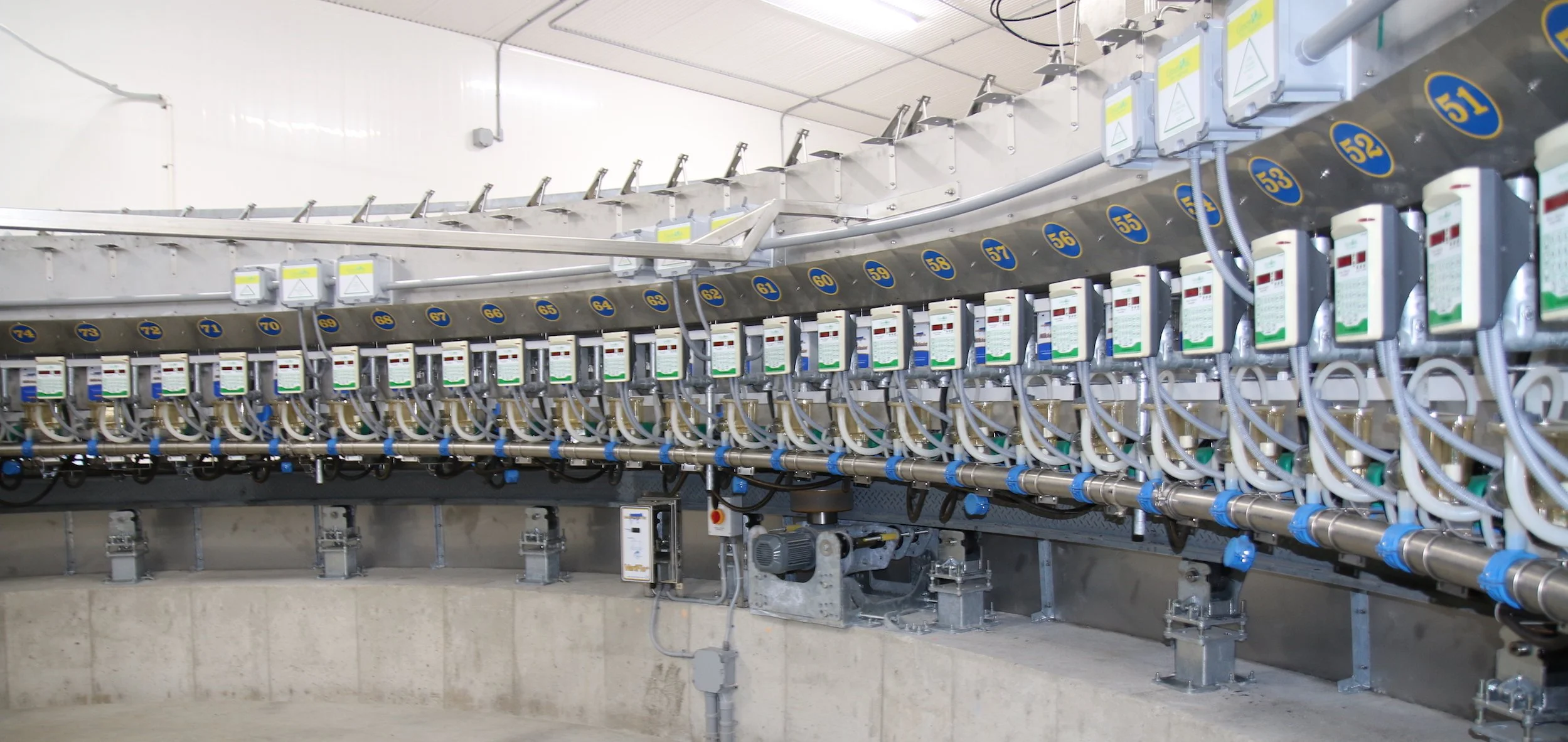
Planning a goat or sheep milking facility starts with the right parlour size, layout, and animal flow. A successful milking facility is designed around throughput, labour efficiency, long-term flexibility, and facility design that supports both daily efficiency and future expansion. The goal is not just to milk today’s herd efficiently, but to create a layout that makes daily routines easier for both operators and animals while supporting future growth and system upgrades.
Parlour size and milking throughput
Operator efficiency and workflow
Collecting area layout and animal flow
Planning for herd expansion
Integration of automation and control systems
Milk production tracking and feeding strategy
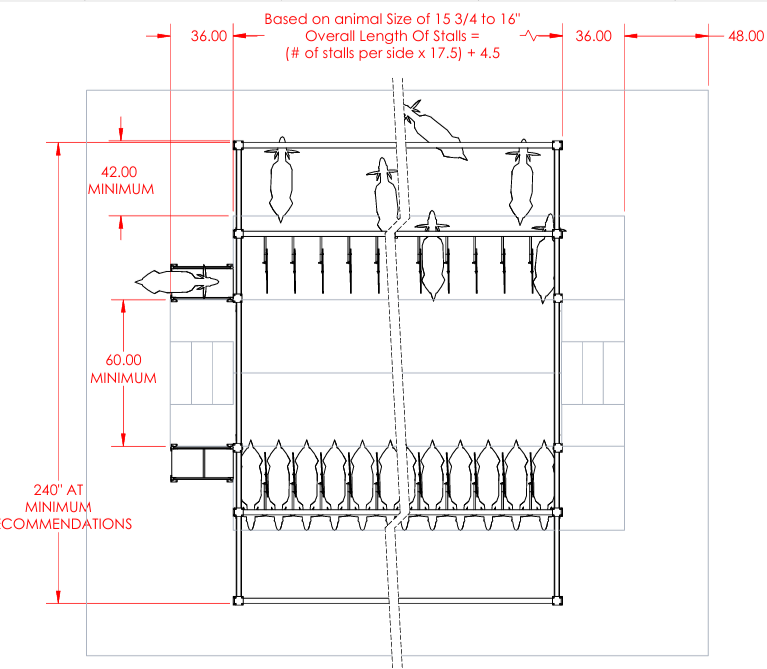
Sizing the Milking Parlour
Parlour sizing directly impacts labour efficiency, milking time, and overall system performance
Choosing the right parlour size starts with a few key questions:
How many operators will be in the parlour?
How long should each milking session take?
These three factors determine the correct parlour size and overall system configuration for your operation. Use the throughput table below as a guide when planning your system.
Collecting Area and Pen Design
Loading and Flow
The milking speeds shown in the tables on the right do not account for the time required to bring animals into the parlour and allow them to exit. A well-designed facility minimizes this additional time by improving loading and unloading efficiency.
We recommend having a collecting area behind the milking parlour where animals can move naturally into the facility. When sizing this area, allow approximately 3.5 square feet per average Saanen goat producing around 1000 kg over a 305 day lactation.
If a slope is required, it should rise toward the milking parlour, as goats prefer to stand uphill. The layout should also allow animals to clearly see where they are going to reduce stress during loading. Feeding in the parlour can help motivate animals to enter.
Backing Gates
Backing gates, including optional electrified systems, are useful for keeping animals moving and maintaining a full collecting area. These gates can be designed to advance the correct distance each time the parlour is loaded. If equipped with a buzzer, animals can be trained to respond without the need for electric stimulus.
Pen Design and Grouping
In earlier goat milking systems, animals were often kept in pens sized to match the parlour capacity. For example, a 2 x 24 parlour would be paired with a group of 48 animals. While this made individual animal management easier, it proved to be time consuming during milking.
With today’s technology, larger group pens combined with a properly sized collecting area are more efficient. These areas can be designed to hold two groups of animals, separated by a backing gate.
Sorting and Animal Management
For animal management, we recommend using a sort gate after the parlour to automatically separate animals that require attention.
Pen Sizing Guidelines
When calculating pen size, allow approximately 15 square feet per animal, with 12 to 13 inches of headlock space per feeding position.
Labour Efficiency
Compared to dairy cattle operations, dairy goat farms are generally more labour intensive. For this reason, it is important to design facilities that eliminate as many inefficient labour tasks as possible
Planning for Future Growth
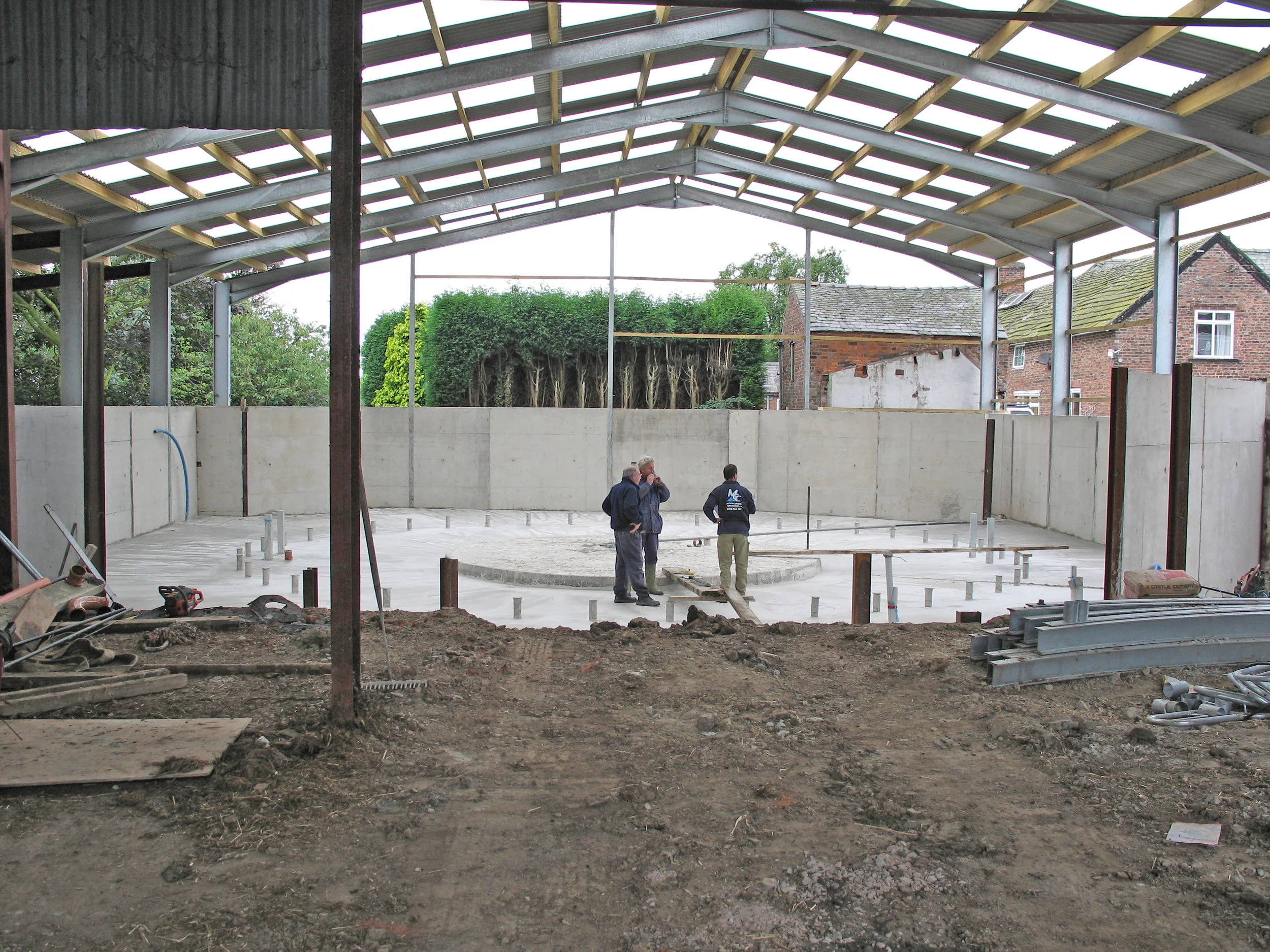
Facility design should not only meet today’s needs, but allow for future expansion without major disruption
Once the parlour is sized for your current herd, the next step is to plan for expansion. Where do you expect your operation to be in five or ten years? Will your initial setup support that growth, or require major changes later?
We have worked with many producers who began with a 1 x 24 rapid exit parlour for herds of up to 300 animals, then expanded to a 2 x 24 as their operation grew beyond 600 head.
By planning ahead, they were able to design their facility to accommodate additional stalls and equipment from the beginning, avoiding costly rebuilds.
Planning for Milk Production and Herd Performance
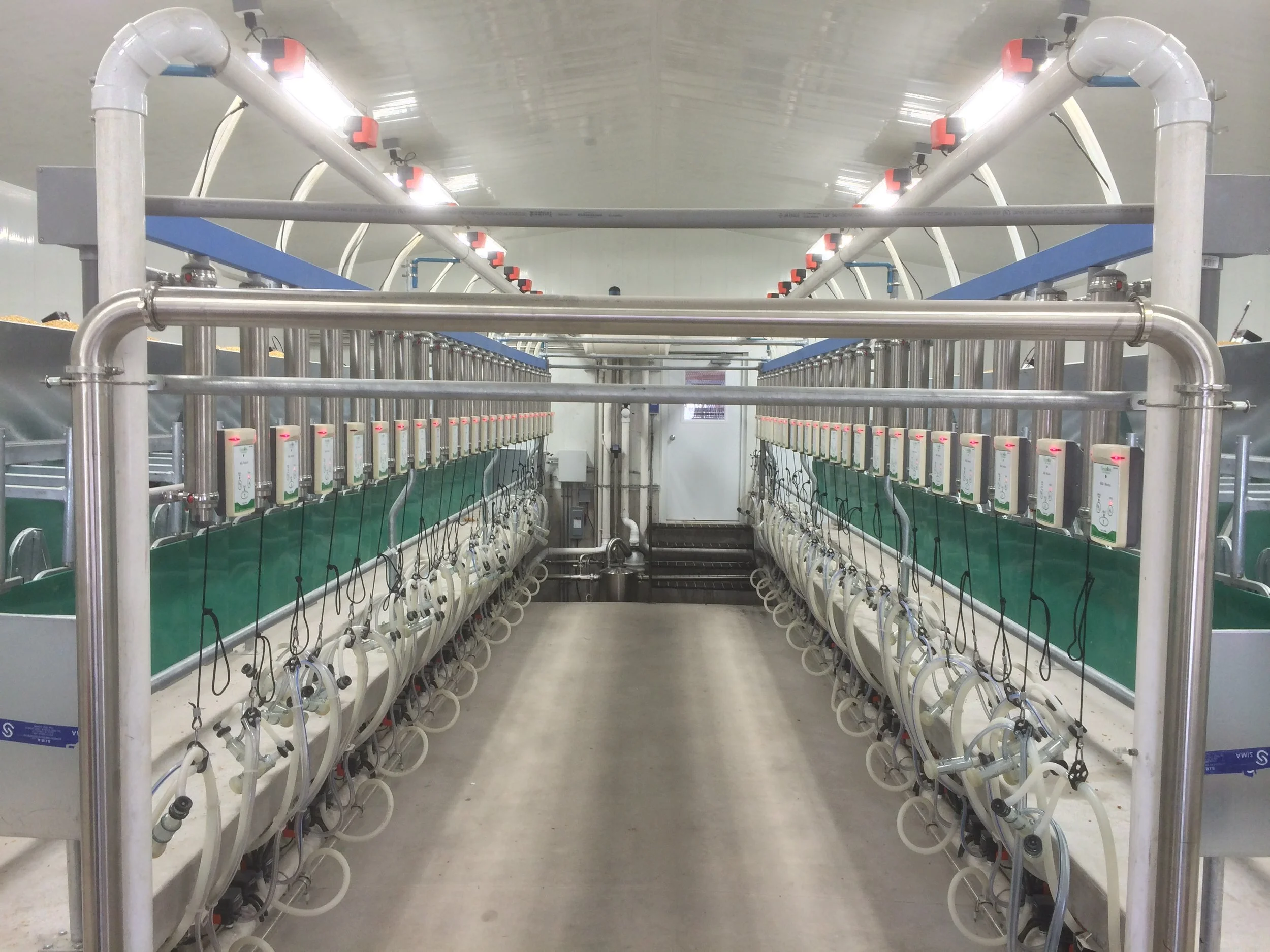
Maximizing milk production starts with herd health, data-driven decisions, and facility design that supports long-term performance
Projected milk income should be established early when developing a business plan. The following considerations can help maximize milk production and overall herd performance.
Impact of Disease on Milk Production
Goats affected by diseases such as CAE or CL typically produce less milk and require more treatment than healthy animals. Starting with strong genetics can improve overall production, although this is not always possible.
The most effective way to improve herd performance is to identify animals with high production and low medical requirements. Milk recording and herd management systems provide the data needed to make informed culling and breeding decisions, allowing you to gradually improve herd genetics over time.
With this approach in mind, if these systems are not installed initially, the facility should be designed to accommodate them in the future.
Allow enough space between the milk line and the milking curb for future milk meter installation.
Design the parlour so the slope of the operator pit matches the animal standing position, and where possible, aligns with the milk lines.
Include space for a walk-through identification system so it can be added later if required.
Design the exit area to allow for a sort gate, which can automatically separate animals requiring attention and reduce manual labour.
Feeding Strategy
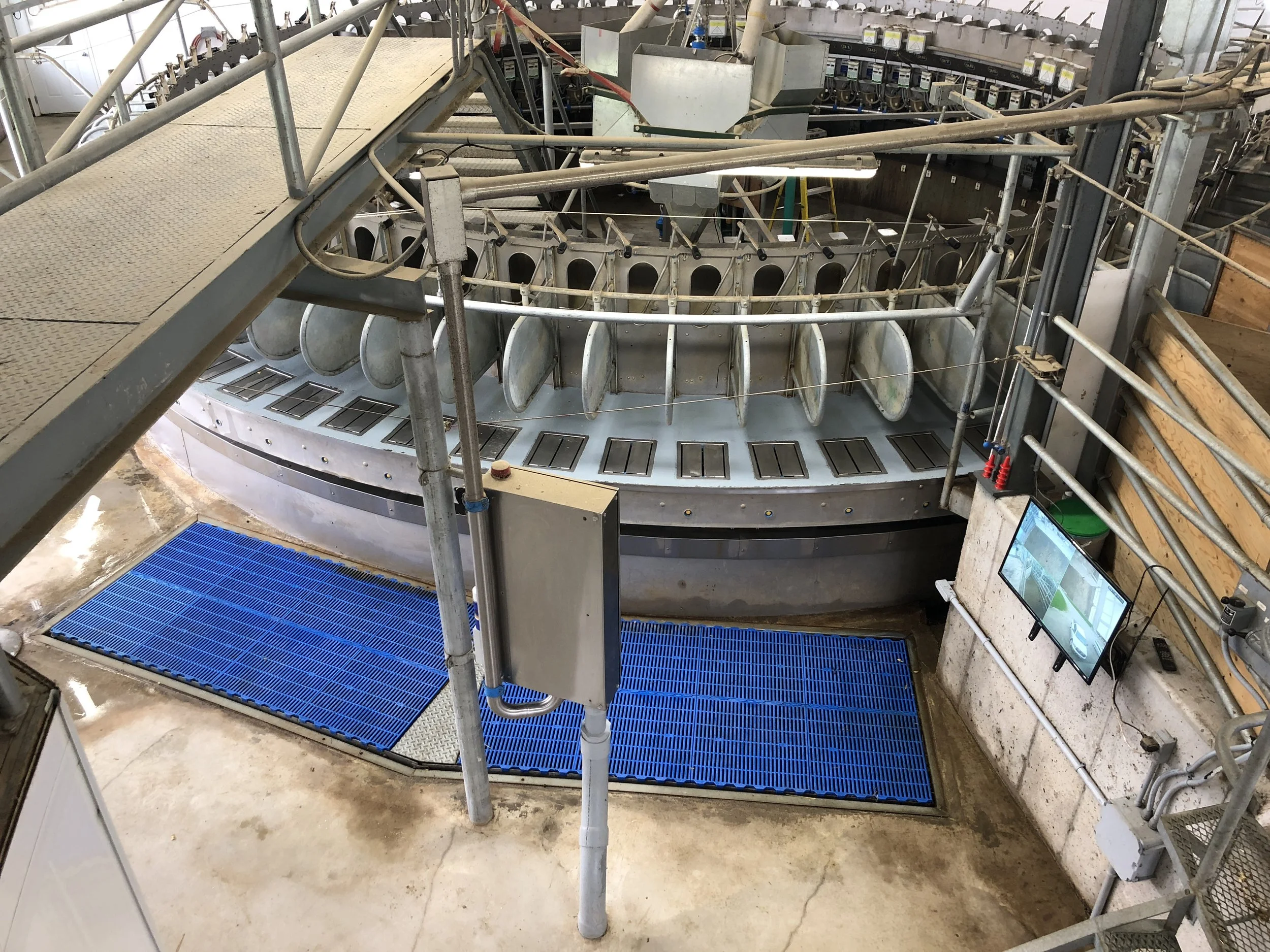
Feed strategy is one of the largest drivers of cost and performance in dairy goat operations
The three primary feeding methods used in dairy goat operations:
1. TMR (Total Mixed Ration)
A mixture of locally grown crops that are chopped and fed to the animals.
2. Complete Pelleted Feed
A purchased pelleted ration designed to provide all required nutrition for dairy goats.
3. Combined Approach
A combination of TMR and pelleted feed, using pellets to supplement any nutritional gaps.
At Greenoak, we have identified that feed costs can represent 55 to 60% of milk production income. With the right feeding strategy and system design, producers can reduce feed waste and improve efficiency, in some cases achieving savings of up to 15% on feed costs. Even for farms growing their own crops, once labour is accounted for, the overall cost of different feeding methods is often similar.
Feed represents a significant portion of operating costs, making efficient feeding strategies critical to overall profitability.
Accurate production data is essential for evaluating and improving feeding strategies. By analyzing animal performance alongside feeding methods, producers can identify opportunities to increase efficiency and maximize milk production.
Greenoak is actively involved in developing feeding strategies that combine accurate rationing with milk production data to improve overall system performance.
Build a System That Scales With Your Operation
Every decision in facility planning, from parlour size to animal flow and collecting area design, affects throughput, labour efficiency, and overall system performance.
Planning for expansion allows your operation to grow without major structural changes or downtime.
A properly planned facility ensures consistent milking routines, reduces stress on animals, and supports long term performance as herd size and production demands increase.
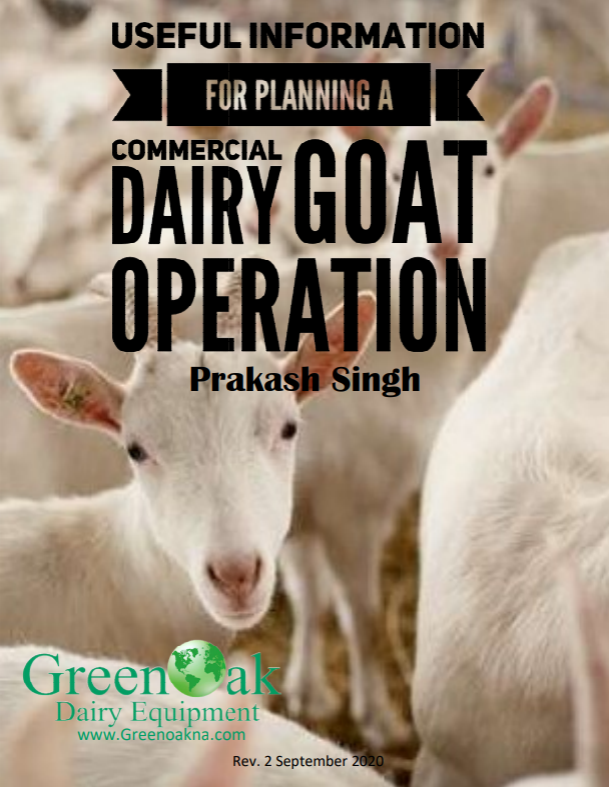
Dairy Goat Operation Handbook
Our Dairy Goat Operation Handbook provides practical guidance on facility planning, herd management, feeding strategies, and system design to help you build a more efficient and profitable operation.
Planning a new system or upgrading your setup?
Our team and dealer network are here to help.